Substance Abuse Counselor Degree and Career Guide


Find Substance Abuse Counselor Salaries for Your State

Learn what you may be able to earn in your state, how the cost of living and other factors could impact your pay, why education matters—and much more.

By: All Psychology Schools Staff

Updated: January 15, 2026

Home » Substance Abuse Counseling » Substance Abuse Counseling Salary » Virginia

Substance Abuse Counselor Salaries in Virginia

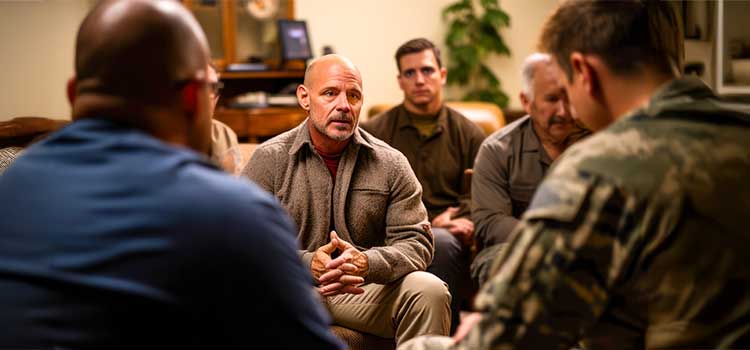
veteran mens recovery support group led by substance abuse counselor

Virginia faces challenges with substance abuse, particularly concerning opioid use, alcohol abuse and the growing impact of fentanyl. While not ranked as the highest in the U.S., the state’s substance abuse rates are significant enough to warrant strong intervention measures. The presence of military bases and a large military population may contribute to substance abuse issues. Veterans and active-duty military personnel can experience unique stressors, such as PTSD and traumatic brain injuries, which may increase the risk of substance use disorders.

Here are three reasons to consider Virginia as a place to practice as a substance abuse or addiction counselor:

  • High demand for counselors: The opioid crisis has led to a growing need for substance abuse counselors. Virginia’s response includes increased funding for treatment programs and expanding the behavioral health workforce.
  • Military-focused counseling opportunities: With a significant military presence, including large bases like Norfolk Naval Station, there is a need for counselors experienced in trauma, PTSD and substance abuse issues related to military service. Working with veterans and active-duty personnel can be a rewarding specialization.
  • Statewide initiatives: Virginia has been actively working to expand access to mental health and addiction treatment services. Initiatives such as the Virginia Plan for Well-Being and Medicaid expansion have increased the demand for qualified counselors across urban and rural areas.

Quick view

There are 15,720 people employed as substance abuse and behavioral counselors in Virginia said the U.S. Bureau of Labor Statistics (BLS). This makes it the fifth highest state for highest concentration of jobs, said the BLS. Virginia has a drug overdose rate of 28.8 people per 100,000, said the CDC, which places it in the lower to middle of deaths by state. The median wage per hour in Virginia is $28 and the forecasted job growth for the coming decade is 16.8%.

Here are five prominent employers of substance abuse counselors in Virginia. These employers represent a range of opportunities, from working with veterans and military personnel to broader community-based and non-profit organizations focused on substance abuse treatment:

Phoenix House Mid-Atlantic, Arlington and other locations, VA:
A non-profit organization providing residential and outpatient addiction treatment services, Phoenix House operates several locations in Virginia, including Arlington and Virginia Beach. They specialize in substance use disorders and offer positions for counselors focusing on holistic and evidence-based treatments.
Virginia Commonwealth University Health (VCU Health), Richmond, VA:
As a leading academic medical center, VCU Health in Richmond provides comprehensive addiction treatment services and often hires counselors to work in its various addiction recovery programs, research initiatives and clinical settings.
Norfolk Naval Station & Military Treatment Facilities, Norfolk, VA:
As the largest naval base in the world, Norfolk Naval Station and its associated military healthcare facilities offer positions for addiction counselors to serve active-duty military personnel dealing with substance use issues. Military treatment facilities (MTFs) offer both outpatient and inpatient care for substance abuse.
DAV Virginia Medical Centers, Hampton, Richmond, Salem, VA:
The VA hospitals in Virginia, such as the Hunter Holmes McGuire VA Medical Center in Richmond, employ substance abuse counselors to provide treatment for veterans dealing with addiction, often related to PTSD and other service-related issues.
Department of Behavioral Health and Developmental Services (DBHDS), Richmond, multiple locations, VA:
DBHDS runs community services boards (CSBs) across Virginia, offering substance abuse and mental health services. These centers are vital in providing local community-based care for individuals with addiction problems.

Salary stats Virginia

While the median salary for substance abuse and behavioral counselors in Virginia is just over the national median, pay may vary depending upon several factors, including where you work in the state and who your employer is. Federal agency employees may earn less but receive better benefit packages, while those working in offices of health practitioners may earn more with a smaller set of benefits.

Median substance abuse counselor salary in Virginia

The median annual salary for substance abuse counselors in Virginia is $58,410, just higher than the national median of $59,190.

However, it’s important to note that location within the state makes a difference. As an example, Virginia’s metro areas of Blacksburg-Christiansburg-Radford has the third highest concentration of jobs for substance abuse counselors, and Lynchburg is eighth for highest concentration of jobs in the U.S. according to the BLS. Here are salaries for the Virginia cities that the BLS recorded:

Substance Abuse, Behavioral Disorder, and Mental Health Counselors
hero-widget-desktop-graph hero-widget-desktop-graph

10%$39,150

25%$47,530

50%$58,410Median

75%$76,530

90%$96,230

Median Hourly Wage$28

Job growth16.8%

Total Employment16,860

Metro area Median Salary Bottom 10% Top 10%
Staunton-Stuarts Draft, VA $59,230 $43,350 $74,570
Harrisonburg, VA $58,020 $41,290 $95,310
Virginia Beach-Chesapeake-Norfolk, VA-NC $57,570 $37,990 $86,650
Richmond, VA $56,850 $36,870 $91,250
Winchester, VA-WV $54,530 $38,730 $88,530
Charlottesville, VA $53,960 $41,030 $78,820
Blacksburg-Christiansburg-Radford, VA $51,630 $39,860 $74,730
Lynchburg, VA $51,080 $37,410 $85,030
Roanoke, VA $50,750 $38,010 $77,890

Source: U.S. Bureau of Labor Statistics (BLS) 2024 median salary; projected job growth through 2034. Actual salaries vary depending on location, level of education, years of experience, work environment, and other factors. Salaries may differ even more for those who are self-employed or work part time.

Salary range for VA substance abuse counselors

The salary range for substance abuse counselors in Virginia typically spans from $39,150 to $96,230 per year.

The salary range for substance abuse counselors in Virginia varies based on factors like experience, education, location and the type of employer. Here’s an overview of typical salary ranges:

  • Entry-level: Around $38,000 to $46,000 (median) annually. Entry-level positions may pay closer to the lower end, especially in rural areas or non-profit organizations.
  • Mid-level: Typically between $46,000 to $66,000 (median) annually for counselors with additional experience, certifications or specialized training.
  • Experienced/advanced-level: Counselors with advanced licenses and clinical roles, particularly in urban centers like Richmond or Northern Virginia, may earn higher salaries in the $66,000 to $80,000+ range annually.

Pay by metro area for Virginia substance abuse counselors

The best-paying areas for substance abuse counselors in Virginia are typically found in regions with a high demand for addiction treatment services, urban centers, or areas with a strong military presence. Here are some of the top-paying locations:

Northern Virginia (Arlington, Alexandria, Fairfax County)

  • Average salary range: $60,000 to $85,000+ per year
    Northern Virginia, being part of the Washington D.C. metro area, may offer higher salaries due to the cost of living and the concentration of healthcare organizations, government agencies and private treatment centers. There is also strong demand for counselors in this region.

Richmond

  • Average salary range: $55,000 to $75,000 per year
    As the capital of Virginia, Richmond has a wide range of employers, including hospitals, government agencies and non-profits. Substance abuse counselors in this area may earn higher wages due to the city’s role as a hub for healthcare and addiction services.

Virginia Beach, Norfolk, Newport News

  • Average salary range: $50,000 to $75,000 per year
    This area has a large military presence, particularly in Norfolk, and there is a high demand for substance abuse counselors serving veterans and military personnel. The salary is higher for counselors working in specialized military or veteran settings.

Here is the BLS’ top 10 metro areas for pay. Unfortunately, no metro or non-metro area in Virginia ranks in the BLS’ top 10.

Metro Area Median Annual Salary
Bend, OR $82,380
Ogden, UT $81,300
Anchorage, AK $79,830
Fairbanks-College, AK $78,750
Boulder, CO $77,720
Hanford-Corcoran, CA $76,240
Flagstaff, AZ $75,930
Santa Fe, NM $75,420
Salem, OR $74,810
San Jose-Sunnyvale-Santa Clara, CA $74,670

Salary growth and job outlook

According to the U.S. Bureau of Labor Statistics (BLS), the projected national job growth rate for substance abuse counselors is 16.8% through 2034, which is much faster than the average for all occupations.

In Virginia, the job growth outlook for substance abuse counselors is also expected to be robust, largely in line with or slightly above the national average. Contributing factors include:

  • Opioid epidemic: Virginia continues to address the opioid crisis, increasing the need for addiction services and qualified counselors.
  • Medicaid expansion: The state’s Medicaid expansion has led to increased access to addiction treatment services, further driving demand for counselors.
  • Military presence: The large military population in Virginia, with specific needs for addiction and PTSD counseling, also fuels job growth in this field.

Overall, Virginia is likely to experience strong job growth in substance abuse counseling, with estimates ranging from 20-24% growth through 2034, comparable to national trends.

How do substance abuse counselor salaries compare?

Here’s a look at how substance abuse salaries compare to other types of counselors at a national level, according to the BLS:

Career Median Annual Salary
Substance Abuse, Behavioral Disorder, and Mental Health Counselors $59,190
Rehabilitation Counselors $46,110
Educational, Guidance, and Career Counselors and Advisors $65,140
Marriage and Family Therapists $63,780
Mental Health and Substance Abuse Social Workers $60,060

Factors affecting salaries in Virginia

Several factors specific to Virginia may impact the pay levels for substance abuse counselors. These include:

Cost of living and location:
Areas like Northern Virginia, particularly near Washington D.C., have a high cost of living. This influences higher salary levels for counselors to offset expenses like housing, transportation and healthcare. Conversely, more rural or less expensive areas like Southwest Virginia may offer lower salaries in line with the reduced cost of living.
Military presence:
Virginia is home to major military installations, including Norfolk Naval Station and Fort Lee. Military personnel and veterans often require specialized counseling services for PTSD and substance use disorders. Substance abuse counselors serving military populations, especially in areas like Hampton Roads, tend to earn higher pay due to the specialized nature of their work and the need to meet the growing demand for veteran and active-duty services.
Urban vs. rural areas:
Urban areas like Richmond and Virginia Beach typically offer higher salaries for substance abuse counselors compared to rural regions. This is due to a higher concentration of treatment facilities, hospitals, and government-funded programs in cities, which can afford to pay more. Rural areas might have fewer resources, leading to lower pay but may offer unique opportunities to serve underserved populations.
Employer:
Employers like hospitals, universities and government agencies such as Veterans Affairs, usually offer higher compensation compared to non-profits or community service boards (CSBs). Counselors working for private treatment facilities or specialized roles in military settings tend to have higher earning potential.
State initiatives and funding:
Virginia’s government has made substantial investments in mental health and addiction services, particularly through Medicaid expansion and state-funded programs to combat the opioid crisis. This influx of funding increases demand for counselors and can drive up pay levels, especially in high-demand areas.
Education and credentials:
Counselors with higher credentials, such as the Licensed Substance Abuse Treatment Practitioner (LSATP) certification, or those with advanced degrees, may command higher salaries in Virginia. Higher educational standards and specialized certifications are especially valued in areas with strong healthcare systems.

What resources are there if I believe I’m being paid unfairly in VA?

If you believe you are being paid unfairly or less than someone else doing the same job, you have several options for addressing the issue. You can contact the following resources:

Virginia Department of Labor and Industry (DOLI)

  • DOLI enforces Virginia’s wage and hour laws, including those related to pay discrepancies and equal pay. DOLI can help if your employer is violating wage laws, including issues related to minimum wage, overtime, or unequal pay.

Equal Employment Opportunity Commission (EEOC)

  • The EEOC enforces federal laws regarding wage discrimination, such as the Equal Pay Act and Title VII of the Civil Rights Act, which protect against pay disparities based on gender, race or other protected categories.

Virginia Office of the Attorney General–Civil Rights Division

  • The Attorney General’s office can assist with discrimination complaints, including wage discrimination based on race, gender or other protected classes.

Legal assistance

  • If you want to pursue a legal claim for wage inequality, you can consult an employment attorney who specializes in wage and hour law. Organizations like the Virginia Poverty Law Center or Legal Aid Justice Center may also offer affordable legal advice or representation.

Education, licensing and training for VA

To work as a substance abuse counselor in Virginia, you will typically need to obtain a Certified Substance Abuse Counselor (CSAC) Initial Registration of Supervision credential. Here are the steps and requirements for this credential:

Education requirements:

  • A bachelor’s degree in a related field such as psychology, counseling or social work is required.
  • Completion of 120 hours of didactic training in substance abuse counseling, which covers core areas such as:
    • Counseling techniques
    • Pharmacology of substances
    • Treatment planning and case management
    • Professional ethics and standards

Supervised work experience:

  • You must complete at least 2,000 hours of supervised experience in substance abuse counseling. This experience must take place over at least one year and be supervised by a licensed or certified professional.

Exam requirements:

  • Pass the Virginia Substance Abuse Counselor Exam, administered by the Virginia Board of Counseling. The exam covers knowledge in addiction counseling practices, ethics, treatment methods and client management.

Certification application:

  • Submit an application to the Virginia Board of Counseling, along with proof of education, training, supervised work experience and passing exam scores.
  • Pay the associated application fees.

Additional credentials:

  • Some counselors may choose to pursue additional certification, such as the Licensed Substance Abuse Treatment Practitioner (LSATP), which requires a master’s degree and experience.

Credential renewal:

You will need to complete 20 hours of continuing education every year to renew the CSAC credential.

Cost of living in Virginia

RentCafe said the cost of living in Virginia is right at the national average., though many of its metro areas list below the national average for cost of living.

Cost of living overview: Housing is 2% higher than the national average, and housing prices are rising in some areas as people move from high cost of living states to Virginia. Utilities are 2% higher and basic necessities such as groceries are right at the national average.

Affordable areas: The majority of Virginia’s metro areas—several of them home to facilities and agencies that employ substance abuse counselors—are lower than the national cost of living average. These include Blacksburg (6% lower), Lynchburg (8% lower), Richmond (4% lower) and Roanoke (8% lower).

Higher cost of living areas: There are a couple of metro areas in Virginia that are considerably higher than the national cost of living average. These include Alexandria at 30% higher, and Arlington at 36% higher. These cities are in close proximity to Washington DC, which accounts for the high cost of living.

Professional groups for substance abuse counselors in Virginia

The following associations provide counselors in Virginia with professional development opportunities, resources for advocacy and a platform for staying updated on state-specific legislation and trends that impact the field.

Virginia Association of Addiction Professionals (VAAP)): VAAP is the state affiliate of the National Association for Addiction Professionals (NAADAC). It provides resources, training and networking opportunities for substance abuse counselors in Virginia. The organization advocates for addiction professionals and works to improve the standards of care in the state.

Virginia Association of Community Services Boards (VACSB): While not exclusively for substance abuse counselors, VACSB represents Virginia’s Community Services Boards (CSBs), which provide behavioral health services, including substance abuse counseling. VACSB supports professionals working within the public mental health and substance abuse systems, advocating for better policies and funding for addiction treatment.

This substance abuse counselor salary guide for Virginia strives to provide you with a realistic and comprehensive understanding of the salary landscape and key information regarding the substance abuse counseling profession. Use this guide as a starting point to make informed decisions about your career path, negotiating salaries and for setting realistic expectations for your educational and professional future.