By: All Psychology Schools Staff
Updated: January 20, 2026

By: All Psychology Schools Staff
Updated: January 20, 2026

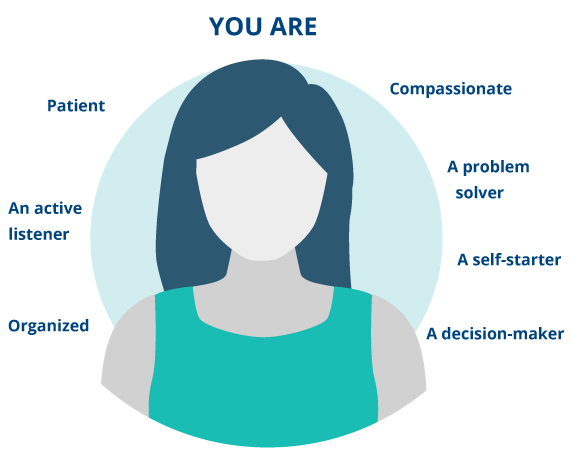
Learn which personality traits and professional skills you’ll need to be a successful substance abuse counselor.
You should have…
There are many schools that offer substance abuse counseling degree programs online and on-campus.
Many of these schools offer certificate programs and associate’s, bachelor’s, and master’s degrees, providing options to students of all education levels. You should make sure any program you choose is accredited, so that you can be assured of quality, and that you can apply for federal financial aid to help you pay for school. Government financial aid is the most common form of aid. To be considered, fill out the Free Application for Federal Student Aid (FAFSA). Federal aid isn’t your only option though, and other types of assistance include scholarships, grants, private loans, and PLUS loans exist.
Licensing and certification guidelines for substance abuse counselors vary by state. Make sure to check the guidelines in your state before you start your studies.
1
Entry-Level Certification
Some states require only a high school diploma, enrollment in a bachelor’s degree, and proof of employment.
2
Earn a Bachelor’s Degree
An undergraduate degree will teach you about addiction and treatment methods.
3
Gain Clinical Experience
Most states require that you get two years of clinical experience before they will grant you a license.
4
Pass the Substance Abuse Exam
States also require you to take and pass one of two exams: the National Association of Alcohol and Drug Abuse Counselors or the International Certification Reciprocity Consortium level II exam.
5
Supervised Work Experience
Before you can become a substance abuse counselor, you must have 2,000 hours of supervised work experience. The actual number of hours depends on your state’s requirements.
6
Apply for Licensure in Your State
In order to administer substance abuse treatment, you must be licensed by your state board. Since every state is unique, check your state regulatory board for specific requirements.
If you plan to enter private practice, all states will require a master’s degree with 3,000 hours of supervised clinical experience. You’ll also need to pass an exam to earn your license. In some states, certification from the National Board for Certified Counselors (NBCC) is also required. If you don’t plan to run your own practice, check with your state board of psychology on licensing specifications.
As a practicing substance abuse counselor, you’ll be required to complete continuing education hours prior to each license renewal. Each state has different criteria so it’s best to check with your state board of psychology for the most up-to-date information on substance abuse counselor CE requirements.
While substance abuse counselors don’t normally get rich at their day jobs, they can make a good living. But salaries vary greatly based on location, years of experience and a variety of other factors. According to the U.S. Bureau of Labor Statistics 2025 Occupational Employment Statistics, the median annual salary for substance abuse counselors is $59,350.
Compare various counselor and therapist salaries below:

$64,330
School & Career Counselor

$59,350
Substance Abuse Counselor

$46,850
Rehab Counselor

$59,350
Mental Health Counselor
Learn what you may be able to earn in some select states, how the cost of living and other factors could impact your pay, why education matters—and much more.
California | Colorado | Florida | Georgia | Illinois | Kentucky | New York | North Carolina | Texas | Utah | Virginia
Here are some other fields you might like if substance abuse counseling isn’t exactly what you’re looking for: