

All about development psychology degrees

Between infancy and the end of life, human beings experience innumerable changes. Some of the changes are subtle, and others can send our world as we know it in a brand new direction. For better or worse, our bodies, our relationships, our knowledge and our sense of self undergoes a constant evolution.
Understanding how and why we change over the course of our lives is key to helping us stay healthy and happy. By learning what’s “normal” for people of a certain age and the struggles that populations commonly face, we are able to provide guidance, comfort and even resolution.
This study has a name: lifespan development psychology or more simply, developmental psychology.
In this article:
What is developmental psychology?
Developmental psychology is the scientific study of how and why humans change over the course of their lives. It explores various aspects of human development. Some examples are:
- Physical development: Changes in body size, proportions, appearance, health and perceptual abilities.
- Cognitive development: Changes in intellectual abilities, including attention, memory, academic and everyday knowledge, problem-solving, imagination, creativity and language.
- Emotional and social development: Changes in emotional communication, self-understanding, relationships with others, moral reasoning and behavior.
Developmental psychologists aim to understand the complex interplay of biological, psychological and social factors that shape human development, from the earliest stages of life through adulthood and old age. Their research has implications for education, parenting, healthcare and social policy.
Populations
Individuals and families might seek out the services of a developmental psychologist for many reasons. Concerns about a person’s development can occur at any stage of life.
Children and adolescents may be evaluated, diagnosed and supported by a developmental psychologist for issues such as:
- Developmental delays, which occur when a child is not reaching expected milestones in areas like language, motor skills or social interaction.
- Behavioral problems such as aggression, tantrums, difficulty focusing or social withdrawal.
- Learning difficulties, such as struggling with academic skills or exhibiting signs of learning disabilities.
- Emotional and social challenges like anxiety, depression, difficulty making friends or coping with stress.
Adults can also benefit from developmental psychologists for support with:
- Life transitions such as career shifts, marriage, parenthood or retirement, addressing any associated emotional or psychological challenges.
- Aging-related issues like cognitive changes, memory loss, emotional adjustment to retirement or social isolation.
- Mental health concerns like depression or anxiety, with a focus on understanding how developmental experiences may contribute to these challenges.
It’s not just individuals who seek out the wisdom and support of developmental psychologists. For instance, families may seek such services for things such as:
- Parenting support and providing guidance and support to parents on child-rearing practices, discipline strategies and understanding their child’s developmental needs.
- Family therapy in which developmental psychologists might be able to help when family dynamics or conflicts impact a child or adult’s development.
Outlook
The demand for developmental psychologists is growing at a faster-than-average rate, with the U.S. Bureau of Labor Statistics anticipating a 11.2% job growth rate through 2034. This growth is fueled by several factors.
An aging population: As the population in the U.S. ages, there’s an increased need for support from compassionate professionals who understand the complexities of aging and can address the mental, emotional and cognitive challenges that older adults face. Developmental psychologists play a crucial role in research, assessment and intervention to improve the quality of life for seniors.
Increased awareness of mental health: There’s a growing recognition of the importance of early identification and intervention for mental health issues at every age. For instance, doctors are now including screening tools into wellness exams to help adults detect levels of stress, anxiety and depression.
Developmental psychologists are essential in assessing development, in younger children especially, and diagnosing disorders like autism or ADHD from its onset. With early detection and treatment, schools, families and general practitioners are working to provide therapy and support that will help them thrive.
Educational systems are increasingly focused on understanding how children learn and develop. This helps them to create more effective teaching strategies. Developmental psychologists contribute to this effort by conducting research on learning, development and creating interventions to support students with diverse needs. These factors are driving a growing need for developmental psychologists in various settings, including hospitals, clinics, schools, research institutions and government agencies.
Careers in developmental psychology
The study of developmental psychology can lead to a diverse range of impactful career paths. The specific career paths available to you will depend on your level of education—bachelor’s, master’s or doctoral degree—and your specific interests.
- Academic researchers:
- Conduct research at universities or research institutions to expand our understanding of human development.
- Research scientists:
- Work in government agencies, non-profit organizations or private companies to conduct research on developmental issues relevant to their mission.
- Clinical developmental psychologists:
- Assess, diagnose and treat developmental delays or disorders in children and adolescents.
- School psychologists:
- Work in educational settings to support students’ academic, social and emotional development.
- Educational consultants:
- Advise schools and organizations on educational policies and practices based on developmental research.
- Social workers:
- Work with children, families or adults facing various social or developmental challenges, providing support and resources.
- Human resource professionals:
- Apply developmental knowledge to create training programs and employee development initiatives.
- Policy analysts:
- Work in government or advocacy organizations to develop policies that promote healthy development for all individuals.
Types of developmental psychology degrees
The complex nature of care that psychologists deliver make it a career that requires extensive education and hands-on learning. Clinical work, for instance, requires a master’s degree or PhD.
However, that doesn’t mean that there are no opportunities for someone with just a four-year degree. There are some careers available to undergraduates with a bachelor’s degree in developmental psychology. This is, however, the minimum credential for almost all clinical and research positions, and an important academic milestone for students who know they’re going to pursue a more advanced degree later.
Bachelor’s degrees in developmental psychology
A bachelor’s in developmental psychology places a heavy emphasis on foundational coursework. Students will be exposed to a broad range of courses that introduce and explore the complexities of human growth and change across the lifespan.
Specific courses will vary from university to university. However, there are some universal classes that almost every student can count on taking. There are required courses, such as English and natural science, but there are also core developmental psychology:
- Introduction to developmental psychology
- Child development
- Adolescent psychology
- Lifespan development
- Developmental psychopathology
- Research methods in psychology
- Statistics for psychology
- Social psychology
- Cognitive psychology
- Biological psychology
Most programs also offer elective courses. These classes give you the chance to take a closer look at areas that interest you. If there is a particular population that you’re interested in working with or a specific problem you hope to address, electives are your opportunity to gain a better understanding of that subject. A few example electives might include:
- Family studies
- Educational psychology
- Cultural psychology
- Clinical psychology
Again, a bachelor’s degree in developmental psychology is most commonly a stepping stone degree. From here, most students will go on to explore further specialization by way of graduate studies or on-the-job training. However, if you aren’t interested in continuing your education, there are some potential career paths available to someone with a BA or BS in developmental psychology.
If you’re interested in working in a field directly related to developmental psychology, you might think about these types of roles:
- Research assistant, helping researchers conduct studies on child development, collecting and analyzing data and preparing research reports. This is a great way to gain practical experience and determine if research is a path you’d like to pursue in graduate school.
- Human services worker, offering service to child welfare agencies, family support centers or community organizations. This is a rewarding career if you can see yourself advocating for children, families and individuals facing various hardships and challenges.
- Early childhood educator, applying your knowledge of child development to create nurturing and enriching learning environments for young children in preschools, daycare centers or early intervention programs.
If you can see yourself working in a related field and leveraging developmental psychology knowledge, you might consider these positions:
- Case manager, coordinating services for individuals with developmental disabilities, mental health conditions or other special needs and ensuring they receive appropriate care and support.
- Behavior technician, working under the supervision of a Board Certified Behavior Analyst (BCBA) to implement behavior intervention plans for children with autism or other developmental disorders.
- Child life specialist, helping children cope with the stress and anxiety of hospitalization or medical procedures by providing emotional support, play activities and education.
- Youth counselor, providing guidance and support to adolescents facing challenges like substance abuse, mental health issues or academic obstacles.
- Parent educator, teaching parenting skills and child development knowledge to parents through workshops, classes or home visits.
- Family support specialist, working with families experiencing stress or challenges to improve communication, strengthen relationships and access resources.
The skills and knowledge gained from a degree in developmental psychology are versatile and applicable to a wide range of fields. Explore your options, network with professionals and consider pursuing internships or volunteer experiences to gain practical experience and clarify your career goals.
Prerequisite for graduate studies
Although master’s programs in developmental psychology vary between institutions, there are some common requirements that most programs look for:
- A bachelor’s degree in psychology or a closely related field such as child development, sociology or education
- A strong GPA (typically 3.0 or higher) in undergraduate coursework, particularly in psychology courses, is generally expected
- Successful completion of specific coursework, including classes such as Introduction to Psychology, Statistics, Developmental Psychology and Research Methods
- Typically, two to three letters of recommendation from professors or professionals who can speak to your academic abilities and potential for graduate study
- A written statement outlining your interest in developmental psychology, career goals and reasons for choosing the specific program
- Some programs may require Graduate Record Examination (GRE) scores
While less common, some programs may also require applicants to complete additional requirements in order to apply.
- Research experience, such as time as a research assistant
- Experience working with children, adolescents or families in a professional setting
- Excellent writing skills, as you’ll be required to write research papers and potentially a thesis
Master’s degrees in developmental psychology
A master’s degree in developmental psychology is a graduate-level program that provides advanced knowledge and skills in the study of human growth and change across the lifespan. It delves deeper into the theories, research methods and practical applications of developmental psychology than a bachelor’s degree.
The curriculum typically includes a combination of core classes, specialized courses, a research project or thesis and a practicum or internship. In your core coursework, you’ll cover fundamental topics like advanced developmental theories, research methods, statistics and ethics.
Specialized courses are similar to electives. They allow students to focus on specific areas of interest, such as child development, adolescent development, geriatrics, cognitive development, social-emotional development or developmental psychopathology.
A research project or thesis is a common capstone of most developmental psychology programs. These projects demonstrate critical thinking and a mastery of core concepts as students put their ability to conduct original research up for examination.
A master’s degree in developmental psychology significantly expands career options compared to a bachelor’s degree. Earning this credential may open doors to more specialized and advanced roles with greater responsibility and earning potential.
With this degree, students are able to pursue advanced research positions such as research scientist, research coordinator or data analyst. A master’s degree in developmental sychology also opens doors to clinical and counseling roles like licensed psychologist (with additional requirements), school psychologist, counselor or therapist. If academia is an attractive career pathway, positions like curriculum developer, educational consultant or academic advisor could be a good fit.
Overall, a master’s degree in developmental psychology equips you with the advanced knowledge and skills necessary to make significant contributions to more than just mental healthcare. Whether you’re attracted to research, clinical practice, education or advocacy, this degree opens doors to a wider range of career options and positions that help you promote human development and well-being.
Thesis vs non-thesis tracks
When pursuing a master’s degree in developmental psychology, you’ll often encounter two main options: thesis and non-thesis tracks. Each path has its own distinct characteristics and caters to different career goals and interests. The thesis track focuses on research and prepares students for doctoral programs or research careers, while the non-thesis track emphasizes coursework and practical application, ideal for those seeking careers in clinical or applied settings.
| Thesis track | Non-thesis track | |
|---|---|---|
| Focus | Research-oriented | Coursework-oriented |
| Key component | Research and thesis writing | Comprehensive exam or capstone project |
| Skills developed | Research design, data analysis, writing | Critical thinking, application of knowledge |
| Ideal for… | PhD candidates, research-focused careers | Clinical practice, applied settings |
| Time commitment | Longer due to research | Generally shorter |
Ultimately, the choice between a thesis and non-thesis track is a personal one. Reflect on your career aspirations, research interests, and preferred learning style to determine which path aligns best with your goals.
Doctoral degrees (PhD or PsyD) in developmental psychology
A PhD in developmental psychology is a doctoral-level degree that represents the highest level of academic achievement in the field. It’s a research-intensive program designed to train scholars and researchers who can contribute to the advancement of knowledge and understanding of human development across the lifespan.
No matter which of the two degrees you’re most interested in, you’ll find they have a similar curriculum. Typically this includes advanced coursework, research, a dissertation and some possible student teaching or internships.
While both PhD and PsyD degrees in developmental psychology focus on understanding human development, they differ significantly in their emphasis and career outcomes.
The PhD in developmental psychology emphasizes research and the generation of new knowledge, preparing graduates for careers in academia, research institutions or government agencies. The curriculum is heavily focused on research methodology, statistics, and theory, culminating in a substantial original research dissertation.
In contrast, the PsyD in developmental psychology prioritizes the application of knowledge to clinical practice. Graduates are trained to assess, diagnose and treat developmental disorders or provide therapy. The curriculum emphasizes clinical skills, assessment and intervention techniques, with a smaller-scale research project or literature review as the final project. PsyD graduates typically pursue careers as licensed psychologists in clinical settings.
Both a PsyD and a PhD in developmental psychology can lead to fulfilling careers in a variety of settings, with some overlap depending on your specialization and interests. Some of the most common career pathways for these majors include:
PsyD in developmental psychology (clinical practice focus)
- Clinical psychologist
- School psychologist
- Counselor or therapist
- Expert witness
PhD in developmental psychology (research focus)
- Professor
- Researcher
- Research scientist
- Clinical psychologist (requires additional licensure)
Licensure for developmental psychologists
The licensure and certification requirements to become a practicing developmental psychologist can vary depending on your location and the specific type of work you want to do. However, in order to qualify you will need to have the following:
- Doctoral degree:
- In most states, a doctoral degree (PhD or PsyD) in psychology is required to become a licensed psychologist. This typically involves four to six years of graduate school, including coursework, research and clinical training.
- Supervised experience:
- After completing your doctorate, you’ll need to gain supervised experience working in a clinical setting. The number of hours required varies by state, but it’s typically around 1,500 to 2,000 hours.
- A passing score on the Examination for Professional Practice in Psychology (EPPP):
- This is a standardized national exam that all aspiring psychologists must pass to obtain licensure.
- Pass a state licensure exam:
- Some states may have an additional state-specific exam that covers laws and regulations related to psychology practice in that state.
It’s important to note that in order to continue qualifying for licensure, practicing psychologists will also need to keep up on their continuing education credits.
Choosing a developmental psychology program
Selecting the right developmental psychology program is crucial for your academic and professional success. Prioritize programs accredited by reputable organizations like the American Psychological Association (APA).
Research the faculty’s expertise to ensure alignment with your interests, whether it’s child development, aging or cognitive processes. Consider the program’s specializations—does it offer tracks in clinical psychology, educational psychology or research?
Don’t forget to explore financial aid options, including scholarships and grants, to ease the financial burden of your education.
Developmental psychology is a multifaceted field with a profound impact on individuals, families and society. Understanding the complexities of human growth and change across the lifespan is crucial for addressing challenges, promoting well-being and shaping effective interventions.
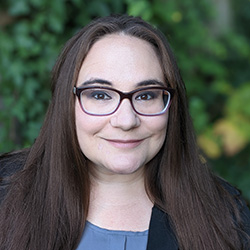
A professional’s perspective: Jessica McCarthy, PsyD
Dr. Jessica McCarthy founded Elements Psychological Services in July 2020 in Montvale, New Jersey. She had a vision to create a practice of doctoral-level psychologists who are experts in their respective fields of adult and child neuropsychology and clinical psychology.
Her practice focuses on providing evaluation and psychotherapy services. Her team specializes in neuropsychological, psychoeducational and psychological assessments ranging from ages two-and-a-half through later adulthood. She and her team also provide services for children as young as four and adults of any age. They specialize in play therapy, person-centered therapy, cognitive-behavioral therapy and parent management training.
Education
Dr. McCarthy’s educational pathway has been incredibly unique. However, she says that’s what’s defined her pathway has been the failures along the way. She graduated with honors from Lehigh University as a double major in psychology and sociology and then completed her first Master’s in Clinical Psychology at Teachers College, Columbia University. Upon graduation, she worked as a research manager at the New York State Psychiatric Institute.
After realizing a full-fledged career in research wasn’t for her, McCarthy decided to enroll in a PsyD in Clinical Psychology program at LaSalle University. During her time there, she was offered the opportunity to transfer to Kean University to be a part of an inaugural cohort in the Advanced Studies in Psychology PsyD program.
“While at Kean, I fell in love with the evaluation portion of our profession. There was a part of me that always wanted to be a medical doctor, and neuropsychology was the perfect way to fuse both of my loves of the brain and understanding human behavior. Plus, I knew I didn’t want to just do therapy for the entirety of my clinical service.
“So, I developed the neuropsychology training portion of our program, and I was the first person to secure placements as an intern and an intern in adult and pediatric clinical neuropsychology programs.
“I was also fortunate enough to complete my formal two-year postdoc in clinical neuropsychology where I began my training at Kessler Institute for Rehabilitation.
“I also started my family during this time, and I am the proud mother to two beautiful girls. After they were born I made the transition to private practice, and after a couple of years I opened my own practice in 2020, fueled by a desire to build a practice that was committed to providing quality services and treating team members how I wanted to be treated as a professional.”
Developmental psychology in practice
“Developmental psychology is probably one of the most underrated parts of our profession,” McCarthy said. “I draw on developmental stages and developmental theory in all aspects of my work and have such a great appreciation for it.”
She explained that developmental theory not only gives psychologists the framework to understand and compare development against, but it also helps explain some of the “psychosocial crises” that people are going through based on their age cohort. “This is especially helpful in therapy, as clients grapple with navigating societal, cultural and personal expectations at different ages and stations in life,” McCarthy explained.
“I think developmental theory also helps give perspective to traditionally considered neurodevelopmental disorders such as autism. For instance, there is a lot of discussion and controversy amongst professionals and patients alike as to whether autism is thought of as a true disorder, in which there is a problem or atypicality with development, or whether it is simply a different way of thinking, communicating, and experiencing the world around you—a neurodivergence as opposed to a disorder. I think, in both evaluative and therapeutic contexts, we can use developmental benchmarks to understand areas where a person may need more support, but we can also use developmental benchmarks to explore and celebrate a person’s relative strengths and unique abilities.”
A day in the life…
As a business owner and psychologist, there isn’t one particular model that describes a typical day for McCarthy. On any given day, you’ll find her seeing patients, networking with other professionals, consulting with her team on cases, working with her office manager on administrative tasks or tackling the never-ending task of marketing and social media management.
“With regards to clinical work, there are days that I will do an evaluation on a child with ADHD, or an adult who had a stroke, and then do therapy sessions with college students, 20-somethings, and 30- and 40-year-olds navigating the balance of professional and personal development. I’ll work with caregivers navigating the challenges of raising children, or caring for an aging parent.
“One of the great things about private practice,” she added, “and one of the reasons I went into it, was that I have flexibility with my time. Most, if not all of my days are dictated by my childrens’ schedules, and I am fortunate that I can shift my hours so I can be the type of mother, neuropsychologist and boss that I want to be.”
When asked about the most rewarding aspects of her job, McCarthy had this to say:
“One of the most obvious answers is seeing how your patients improve during the course of therapy, or seeing the gratitude they might feel when finally given a diagnosis and really practical recommendations in a neuropsychological evaluation that can help improve quality of life and performance at home, school and work.
“Lately, though, the most rewarding aspect of my job is growing a practice that I am proud to call my own. I take tremendous pride in owning a practice that not only hires top talent, but goes above and beyond to invest in them and retain them.”
Obstacles
Like any job, Dr. McCarthy admits there are challenges.
For example, some seasoned colleagues can take advantage of their professional standing and make the lives of students and early career psychologists difficult. “Now, this certainly is not the case for everyone, but I think there is definitely something to be said about the treatment of students and early career professionals by some.”
McCarthy also noted that it’s a profession that is often undervalued—and ultimately underpaid—by insurance companies, which is why many practitioners don’t take insurance.
“One of the many things that the Covid-19 pandemic taught us,” McCarthy said, “is that mental health treatment is absolutely vital and core to our healthcare system. We don’t work these jobs just because we want to help people. These are jobs—our careers—and we expect to be paid well. Not just for our education but for the years of skill development that was invested so we can provide the very best care to someone who might be at their lowest point yet.
“Additionally, we are given very little, if none at all, training about the business and marketing aspects of private practice.
“I am fortunate,” she added, “that I have had some absolutely wonderful colleagues that have mentored me and who have opened practices around the same time as me. We worked through a lot of these growing pains together.”
There’s no doubt that the life-changing service psychologists provide comes at a personal cost. It takes perseverance, commitment and compassion to succeed in this line of work. Are there any specific qualities, we asked, that makes someone particularly well-suited for this type of work?
“Patience and a sense of humor—the darker the better. People also need to understand that our job is to actually listen and help people solve their own problems, not for us to solve them for them. When we can get clear with ourselves and others on that, it allows the therapeutic space to really become transformative and for progress to be made.”
What’s next?
Whether your passion lies in research, clinical practice, education or social service, a degree in developmental psychology can equip you with the knowledge and skills to make a meaningful difference in the lives of others.
Ready to learn more? You can start today. Explore accredited programs, investigate specializations that align with your interests and consider the diverse career paths this rewarding field has to offer using the search widget on this page.