

Learn how to become a prison psychologist

Are you intrigued by the delivery of mental health services in unique environments such as prisons and rehabilitation centers? Are you up for the challenge of treating people who may have severe and undiagnosed mental health problems? If you would enjoy a career in which you help incarcerated people change their behavior so they can live normal lives upon their release, then a career as a prison psychologist may be right for you.
A prison psychologist works to make a difference in the lives of people who need help most. Also called correctional psychologists, these mental health professionals work to provide incarcerated individuals with the same types of treatment available to those outside the correctional system. The challenges of a prison psychologist involve treating a diverse set of patients who often have complex cases. The rewards include helping people rehabilitate so they can lead meaningful lives when they return to society.
In This Article
Should I become a prison psychologist?
You should consider a career as a prison psychologist if you have a desire to specialize in the application of evidence-based psychological practices toward helping people involved with the correctional system. In this subfield of psychology, you can use your knowledge of human behavior and brain function to evaluate and advance individuals toward the goal of living law-abiding lives in their communities. You can also contribute to creating a safer atmosphere for everyone involved in the correctional system. Successful outcomes can reduce offender risk and improve public safety.
“You should consider a career as a prison psychologist if you have a desire to specialize in the application of evidence-based psychological practices toward helping people involved with the correctional system.”
Working as a prison psychologist involves delivering care within the constraints inherent in the correctional system. However, the role remains based on the foundational psychological principles of general psychology since the mental health problems involved aren’t necessarily unique to the correctional system. Any type of licensed psychologist (clinical, counseling, social, etc.) can work as prison psychologist since a prison psychologist is first and foremost a psychologist, and an inmate is first and foremost a patient.
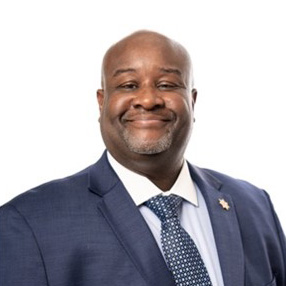
“The profession doesn’t just involve prison psychologists or correctional psychologists. I’m a clinical psychologist and very proud of that. The folks that are represented within corrections are individuals who come from our communities, and they can have varying degrees of existing pathology and mental-health-related concerns that are often untreated or undiagnosed in the community. Some of their first interactions with mental health professionals in an in-depth manner may occur in corrections,” said Melvin Hinton, PsyD, President of the International Association for Correctional and Forensic Psychology (IACFP) and Chief of the Office of Mental Health Management Services for the Illinois Department of Corrections.
As a result of inmates being undiagnosed or undertreated in the community, prison psychologists must be prepared to deliver care that often involves complex treatment. However, the impact of a prison psychologist is measurable in the progression and improvements that they can promote.
“These are individuals with some of the most severe pathology that I’ve ever treated and ever seen,” Hinton said. “It’s rewarding to know that you are working with folks who have very complex mental health needs and that you are qualified and capable of helping with those complex mental health needs.”
How do I become a prison psychologist?
If you think being a prison psychologist is right for you, follow these steps to a career in this profession:
Consider your career path.

Before pursuing a career as a prison psychologist, take time to learn about the requirements necessary to work in this profession. Consider your personal and professional goals and what you will have to do to achieve them.
Prison psychology, or correctional psychology, is one of many subspecialties in the field of psychology. It can be confused with forensic psychology or criminal psychology. Consider whether this specialty matches your idea of how you want to apply psychological principles. While these specialty areas are based on psychology principles, they differ in their area of focus in the following ways:
• Criminal psychologists focus on criminal behavior and why people commit crimes.
• Forensic psychologists provide psychological analysis in the aftermath of a crime to help law enforcement and courts make decisions when psychology is involved.
• Prison psychologists apply their knowledge and principles of psychology to treat offenders and help them rehabilitate.
Like any variety of psychologist involved in sitting down with patients, administering tests or treating patients, a prison psychologist must hold a license from their state board of psychology. It’s important to carefully examine the licensure laws of the state in which you plan to work before you select a program and school.
Complete a bachelor’s degree in psychology.

A bachelor’s degree in psychology is the first level of education required to become a prison psychologist. It typically takes four years to complete a bachelor’s degree while attending school full-time on a traditional academic calendar.
At the undergraduate level, most programs do not offer specialized psychology degrees. Most of the coursework emphasizes learning foundational principles of psychology, human behavior and research that are necessary to practice across all specialty areas. Some undergraduate degrees in psychology may offer a concentration or certificate in prison psychology, though it won’t qualify you to practice.
While internships typically aren’t required for a bachelor’s degree in psychology, Hinton advised seeking out these opportunities to help you define your preferences. Volunteering can also provide valuable opportunities to explore new and unexpected work environments related to working as a prison psychologist.
“When you’re in school, postgraduate or undergraduate, it’s a great opportunity to explore and expose yourself to new ideas, new experiences and new possibilities. For the purposes of doing an internship, you’re learning something new and deciding whether this is a good fit for you. So, I think they’re super important,” Hinton said.
Complete an advanced degree.

The minimum educational requirement for a prison psychologist varies by state. It’s important to check with your state board of psychology to determine the education you need for the type of psychology position you desire. Generally, the following educational guidelines apply:
A master’s degree in psychology can qualify you to work in a limited category of licensure, such as a psychological associate, in about half the states, provinces and territories in the United States and Canada. However, people in master’s level positions typically work under the supervision of a doctoral level licensed psychologist. A master’s program typically takes one to three years to complete.
A Doctor of Philosophy (PhD) or Doctor of Psychology (PsyD) is required for licensure for the independent practice of psychology in most states, provinces, and territories of the United States and Canada. This is the traditional psychologist’s role.
Many doctoral level programs do not require that you earn a master’s degree if you have a bachelor’s degree in psychology. After earning a bachelor’s degree, a PhD program typically takes four to eight years to complete, while a PsyD typically can take about four to five years to finish.
When seeking a doctoral degree in psychology, look for a program that has earned accreditation from the American Psychological Association (APA). Accreditation ensures that the program’s curriculum meets the minimum standards of quality defined by the profession, qualifies you for state licensing applications and meets the educational criteria for specialty certifications from the American Board of Professional Psychology (ABPP). Many U.S. states require a degree from an APA-accredited program.
“When you select an APA-accredited program, the training is set up in such a way that you get other areas too, which would include the cultural backgrounds, the ethics pieces, the system theories, the developmental theories—that’s the importance of accreditation and having those standards of education that are broad enough that you have a number of different knowledge bases,” Hinton said. “In the end, the people who you’re going to be working with come from all walks of life and all parts of the globe. So, you don’t have to be an expert in everything, but you need to have exposure and you have to know how to go and further educate yourself.”
Complete licensure requirements.

You must hold a general psychology license in your state if you plan to practice prison psychology or any other type of psychology in which you counsel or treat patients. Licensure protects patients from treatment by unethical or incompetent psychologists. Requirements vary for psychologists whose work concentrates on research or other areas that do not involve direct patient contact.
Understanding your state’s licensure requirements can help ensure that the time, effort and money that you invest in your education will be applicable to a state license. In addition to having a doctoral degree in psychology from a regionally accredited or government-chartered institution, most states require that you meet the following criteria to apply for a psychology license:
• Gain required experience. Most states require documentation of two years or about 4,000 hours of supervised experience, though the total number of hours can vary by state. In most cases, one year (about 2,000 hours) is completed in an internship during your doctoral program. The second year (about 2,000 hours) consists of postdoctoral supervised experience in the field. Some states and employers require that these experiences be accredited by the APA.
• Meet examination requirements. Most states require a passing grade on the Examination for Practice in Psychology (EPPP) by the Association of State and Provincial Psychology Boards (ASPPB). The EPPP is considered the foundational knowledge examination in the field of psychology. It is a test of your knowledge of psychology so you can apply it as a psychologist. Some jurisdictions also require passing a jurisprudence examination about the laws of psychology in their state.
• Maintain a current license by following the renewal procedures in your state. Most licenses must be renewed every two years, with requirements for continuing education and payment of fees, though these criteria vary by state.
Find a job as a prison psychologist.

After earning a psychology license in your state, you’ll be qualified to pursue a job as a prison psychologist. When seeking employment, remember that prison psychologists aren’t limited to working in prisons and jails.
“Certainly, you can work within your state’s adult correctional system in the United States, in a traditional correctional facility, but you can also work on the community side or on the parole side. You can also work in pretrial. You can work with your local sheriff’s department and their detention department or with your local police department, so it can include virtually all levels of government. And, of course, you can work at the federal level,” Hinton said.
In addition to selecting a work environment, you can also specialize in working with special groups in the correctional system. This can involve certain groups like juveniles, females, males or specialized populations such as those who identify as transgender or those with mental developmental issues, Hinton said.
How much does a prison psychologist make?
Salary data for prison psychologists are not reported by the U.S. Bureau of Labor Statistics (BLS). However, the BLS category of psychologists (all other) includes salary data for all psychology specialties, such as prison psychologists, not separately listed in the BLS.


10%$54,990
25%$68,850
50%$110,840Median
75%$147,240
90%$168,520
Median Hourly Wage$53
Job growth4.3%
Total Employment18,820
| State | Median Salary | Bottom 10% | Top 10% |
|---|---|---|---|
| Alabama | $136,070 | $64,230 | $160,800 |
| Arizona | $137,510 | $56,320 | $171,850 |
| Arkansas | $114,340 | $47,180 | $156,810 |
| California | $157,540 | $45,150 | $198,950 |
| Colorado | $120,660 | $50,220 | $156,870 |
| Connecticut | $125,020 | $60,880 | $157,290 |
| District of Columbia | $125,110 | $59,880 | $169,170 |
| Florida | $134,690 | $73,920 | $166,260 |
| Georgia | N/A | N/A | N/A |
| Hawaii | $135,680 | $85,930 | $192,190 |
| Idaho | $121,140 | $42,800 | $166,850 |
| Illinois | $69,810 | $48,270 | $162,070 |
| Indiana | $123,640 | $64,570 | $163,330 |
| Iowa | $138,420 | $46,760 | $159,410 |
| Kentucky | $149,990 | $88,610 | $185,390 |
| Louisiana | $104,460 | $56,090 | $157,350 |
| Maine | N/A | N/A | N/A |
| Maryland | $109,970 | $63,080 | $186,120 |
| Massachusetts | $129,410 | $59,240 | $168,900 |
| Michigan | $88,510 | $40,250 | $149,010 |
| Minnesota | $115,650 | $57,250 | $145,520 |
| Mississippi | $103,380 | $24,750 | $158,620 |
| Missouri | $134,890 | $49,230 | $161,490 |
| Montana | $126,960 | $33,880 | $159,740 |
| Nebraska | $131,640 | $34,170 | $169,980 |
| Nevada | $146,850 | $46,990 | $167,360 |
| New Hampshire | $120,790 | $66,860 | $146,240 |
| New Jersey | $132,220 | $96,700 | $153,150 |
| New Mexico | N/A | N/A | N/A |
| New York | $128,320 | $50,210 | $164,580 |
| North Carolina | $126,440 | $53,620 | $166,050 |
| Ohio | $132,060 | $54,850 | $160,260 |
| Oklahoma | $141,290 | $64,790 | $173,200 |
| Oregon | $86,680 | $81,800 | $146,240 |
| Pennsylvania | $95,650 | $60,170 | $154,520 |
| Rhode Island | $130,960 | $32,250 | $170,250 |
| South Carolina | $136,990 | $94,600 | $164,200 |
| South Dakota | $132,170 | $33,880 | $168,080 |
| Tennessee | $138,070 | $78,920 | $163,180 |
| Utah | $135,200 | $38,060 | $156,790 |
| Vermont | $81,080 | $62,980 | $142,600 |
| Virginia | $140,640 | $75,070 | $185,220 |
| Washington | $128,230 | $69,590 | $153,960 |
| West Virginia | $46,350 | $34,240 | $142,270 |
| Wisconsin | $81,860 | $55,160 | $154,260 |
Source: U.S. Bureau of Labor Statistics (BLS) 2025 median salary; projected job growth through 2034. Actual salaries vary depending on location, level of education, years of experience, work environment, and other factors. Salaries may differ even more for those who are self-employed or work part time.
Factors that impact salary
Prison psychologists who have a doctoral-level degree and state licensure can qualify for the highest-paying positions with the most responsibility. Entering the field of prison psychology with a master’s level degree limits the types of roles you can assume, which likewise may reduce your earning potential.
Many prison psychologists work for publicly funded government organizations, where their salaries can be impacted by budgets that may not have as much flexibility as those in the private sector. “Funding is one of the things you often can’t control, and it can be difficult. What I’ve learned over the years is that you could very easily lobby a mayor, governor or legislator, and say that we need more money for a certain program, but it becomes harder when you understand that when they give me more funding, that has to come from somewhere else in the community,” Hinton said.
While the BLS does not include data on self-employed psychologists, being self-employed may give you some control over your earnings. Prison psychologists who work as consultants may be able to pursue a wider range of positions than may be available for full-time employment.
Optional post-graduate credentials can help demonstrate your level of professional expertise and possibly increase your salary potential. Professional certifications, for example, are proof that you’ve met established educational, experience and examination criteria to demonstrate your knowledge in an area of expertise.
Though usually not required for employment, having professional certifications in the field of prison psychology may help boost your salary and stand out in a crowded field of candidates. Certification criteria typically include requirements for education, experience, submission of work samples and written and oral examinations.
While no professional certification specifically names prison psychology, the American Board of Professional Psychology (ABPP) offers 17 professional certifications for psychologists. Depending on your experience, interests and goals, one of the ABPP board certifications may be applicable to your work as a prison psychologist:
- Clinical Psychology
- Counseling Psychology
- Forensic Psychology
- Group Psychology
- Police and Public Safety
- Rehabilitation
- Serious Mental Illness
Where are prison psychologists most in demand?
The job outlook for the broad category of all psychologists is promising. According to the BLS, there is a projected growth rate of 4.3% for all psychologists through 2034. This is twice the average projected growth rate for all U.S. occupations during that time.
The demand for prison psychologists is positioned to remain steady due to an increasing need for mental health services among those incarcerated. At least half of the nation’s 2.2 million prisoners have mental health problems with about 10% to 25% of these individuals suffering from serious mental illness such as schizophrenia or major affective disorders, reports the American Psychological Association.
Highest paying metro areas for prison psychologists
What being a prison psychologist is all about
Being a prison psychologist involves using psychological principles in a role that impacts inmates, the correctional system and society. Psychologists in this role foster a humane and secure environment by working with prisoners to treat existing mental disorders and help them avoid committing additional crimes upon their release. Prison psychologists also ensure public safety by preparing inmates and others overseen by the correctional system for successful reentry into their communities.
A prison psychologist also makes unique contributions to other aspects of the correctional system. This can involve supporting staff members, administrators and government officials with mental health services, psychological education and evidence-based professional guidance and testimony.
What you’ll do
While your responsibilities as a prison psychologist can vary based on your place of employment, your role and the population with whom you work, you may perform the following tasks:
- Select, administer and interpret appropriate psychological tests during intake evaluation and court-ordered assessments
- Diagnose an individual’s psychological service needs
- Collaborate with psychiatric and/or medical services staff
- Plan, develop, implement and coordinate an individual’s psychological treatment program, consultations, clinical services and individual and group therapies with multidisciplinary staff
- Evaluate individual progress and adjust psychological treatment plans as needed
- Facilitate group therapy and educational programs on topics such as anger management or substance abuse
- Testify as an expert witness in legal proceedings
- Authorize official documents such as recertification of care and redetermination of individual financial competency
- Rotate emergency duty coverage with other prison psychologists
- Supervise and train unlicensed members of the psychology staff for crisis intervention
- Develop and present training for correctional staff on issues such as mental illness, first aid, crisis intervention and conflict resolution
- Strive to create a safe environment for the correctional staff and others who work in the correctional system
What does this job look like from the practitioner’s perspective?
As a prison psychologist, you can pursue work in a wide range of areas, depending on your areas of concentration and interest. With a patient population subject to constant change, you are likely to encounter a wide range of individuals and mental health problems.
“People come in with trauma backgrounds. People come with addictions backgrounds. People come in with mood disorders and anxieties, you name it,” Hinton said. “There’s nothing that isn’t represented in corrections that isn’t listed in the DSM [Diagnostic and Statistical Manual of Mental Disorders]—that’s one of the fascinating parts of working within corrections.”
The goals of the correctional system involve the retribution, rehabilitation and supervision of criminal offenders through the system of incarceration, probation and parole. A prison psychologist has the knowledge and skills necessary to impact patients at any of those junctures to an end that can benefit both the patient and society.
“There is without question an over-representation of minorities within correctional facilities in the United States. As an African American male, I see people who look like me and it’s super important to me and super rewarding that I provide them good quality mental health services. I know that I am helping someone who, for whatever reason, may have gone untreated in the community or undertreated in the community or not had that type of consistent access. I get to give that to them,” Hinton said.
What’s the day-to-day like?
The day-to-day routine of prison psychologist can vary based on many factors such as your work environment, position and changing patient needs. While every day can look different, a prison psychologist is likely to be involved in one of the following tasks that involve the application of counseling and clinical techniques to criminal and juvenile offenders in penal and correctional facilities, detention centers, courthouses and other areas of the correctional system:
- Complete rounds to determine levels of care for hospitalized patients
- Conduct inmate psychological screening and classification
- Participate in crisis intervention and other mental health crises
- Assess correctional personnel
- Participate in a parole board
- Conduct clinical research
- Present professional training on mental health issues to correctional staff
- Collaborate with caseworkers, attorneys and correctional facility staff members to modify or eliminate the behavior of a patient
- Work with social workers to facilitate family reunification services
- Counsel government officials at the local, state or federal level on the structure of the correctional system
- Testify regarding a patient’s mental state in a courtroom
No matter what you do in a day, the unique work environments of the correctional system have inherent structures that affect your daily tasks and the way you perform them. “You have to realize that it is not your private practice. You’re working oftentimes in a governmental system or you’re working for an agency or section of it, but it’s not your private practice, so there are rules to follow, system procedures and a system awareness that you need to have,” Hinton said. “You also have to realize there are multiple entities. When I’m working in corrections with justice-involved individuals, I have to be aware not only of their mental health concerns, but their physical health concerns, their educational concerns and their legal concerns.”
What does this job look like from a client’s perspective?
The correctional system looks to the prison psychologist to provide a broad range of services as a mental health expert and provider in many aspects of daily operations and facility and system management.
“All aspects of my educational training are of use. The traditional sitting down one-to-one and providing some level of talk therapy happens, but there are other things as well. We conduct group therapy sessions for those who are in recovery; evaluations of all sorts, from suicide evaluations to evaluations for judicial commitment; training for staff, whether that is basic understanding of mental illness, first aid, crisis intervention, therapy or simply educating people on various topics such as cultural awareness, conflict resolution or de-escalation. These are the things that the system looks to the psychologist and to the mental health or behavioral health divisions for guidance,” Hinton said.
The skills (and competencies) you’ll need
A prison psychologist needs a combination of personal and professional skills to succeed in this profession and make an impact.
- Empathy and compassion:
- Applying psychological principles to help others improve requires the ability to understand what another person is feeling and have a desire to help them.
- Teamwork:
- Prison psychologists regularly collaborate with correctional staff, social workers, healthcare providers and other professionals involved in all aspects of the correctional system.
- Crisis intervention:
- Prison psychologists require the skills necessary to respond to crises such as suicide intervention to help maintain the safety of patients and the entire correctional facility.
- Critical thinking:
- A prison psychologist must be able to interpret, evaluate and analyze observations and data to form judgments and create treatment plans.
- Conflict resolution and negotiation:
- A prison psychologist must be thoughtful and creative in helping others resolve conflicts at all levels, whether between inmates or between a patient and their family.
- Detail-oriented:
- A prison psychologist is often responsible for completing reports, evaluations and administrative documents that can impact the treatment and life experiences of their patients.
- Communication skills:
- A prison psychologist must be able to communicate to individuals across a broad range of backgrounds, cultures, educational levels and interests, ranging from inmates in maximum security prisons to judges and other officers of the judicial system.
- Presentation skills:
- A prison psychologist must be able to effectively present training programs and other presentations to inform and educate correctional staff and patient groups on their level, whether it involves juveniles in a detention center or administrators of the system.
- Observational skills:
- Having keen observational skills to recognize non-verbal cues such as body language can help a prison psychologist in assessing a patient’s mental state.
The tools and technology you’ll likely use
A prison psychologist uses many different tools in evaluating, diagnosing and treating people in the correctional system. Some common tools include:
- TCU (Texas Christian University) Drug Screen V
- DAST (Drug Abuse Screening Tool)
- SSI-SA (Simple Screening Instrument for Substance Abuse)
- Mental Health Screening Form III (MHSF-III)
- K6 and K10 Scales
- Brief Jail Mental Health Screen
- Correctional Mental Health Screen (CMHS)
- The Level of Service Inventory–Revised (LSI-R)
- Ohio Risk Assessment System (ORAS)
- COMPAS (Correctional Offender Management Profiling for Alternative Sanctions) Scale Scores
- Risk and Needs Triage (RANT)
- Trauma Screening Questionnaire (TSQ)
- PTSD Checklist–Civilian Version (PCL-C)
- Microsoft Office and/or other office programs for communication and project management
Job titles
Job titles for a prison psychologist can vary. Considerations such as your specific responsibilities and the industry in which you work can also affect your job title. While the role of a prison psychologist can be closely related to a forensics psychologist or criminal psychologist, these jobs involve working with different aspects of the legal system.
Common job titles for a prison psychologist include:
- Staff psychologist
- Correctional psychologist
- Clinical psychologist–corrections
- Licensed psychologist
- Licensed psychologist manager–corrections
- Psychologist–site mental health director–corrections
Work environments
Prison psychologists can work in a variety of environments that include traditional prisons and detention centers, but some work environments may not align with the types of places you expect to find a prison psychologist.
“People may have a notion or vision of what correctional psychology is like from whatever television show, movie, book or whatever, and then there is reality of what it really is like. There are certainly tough maximum-security places within the United States in particular, and around the world, but there are also places where you walk in and it’s a dorm setting. It’s much more laid back, perhaps in cottages, so it looks and feels very different and certainly affects who you’re working with,” Hinton said.
When seeking employment as a prison psychologist, you may find opportunities in the following types of workplaces:
- County family services organizations
- Federal prisons
- State prisons
- County jails
- City detention centers
- Asylums for the criminally insane
- County, state and federal courthouses
- Private correctional facilities
- Jails
- Juvenile detention centers
- Women’s prisons
- State department of corrections
- Federal Bureau of Prisons
How to make yourself stand out as a candidate for a prison psychologist job
Factors such as your geographic location, professional interests and experience can sometimes make it challenging to get the type of position you want as a prison psychologist, especially early in your career. You can improve your chances of securing a position you desire by earning the type of experience and skills that employers value.
Standing out as a candidate for a position as a psychologist job involves is best initiated long before you earn your license. With so many ways to use your psychology degree, internships are one way to test the waters and gain valuable experience before your job search.
Other types of experiences, such as learning a second language, may enhance your qualifications in certain situations. “If you can communicate with someone in their native tongue, that’s an enhanced way to build that rapport, to have an understanding and for people to have a little trust in you from the aspect that we can communicate and you can understand what I’m trying to say,” Hinton said. “If you’re able to communicate in other people’s native language, and you have the ability to learn about other cultures, other traditions and other ways of life, that makes you uniquely qualified to work in a given global jurisdiction.”
Though professional certification is not required for most positions, it may be another way to stand out from a crowded field of candidates. These types of credentials can be worth pursuing if you’re passionate and you think it would be helpful to your career, Hinton said. “However, if you don’t have them, it doesn’t mean that you are less than or something in that sense,” he said.
“If you’re able to have the ability to communicate in other people’s native language, and you have the ability to learn about other cultures, other traditions and other ways of life, that makes you uniquely qualified to work in a given global jurisdiction.”
Professional organizations to join along the way
Membership in a local or national professional organization can help you connect with like-minded professionals and gain access to a wide range of resources that can be valuable at every stage of your career. As a member, you’ll have a chance to learn about different roles and emerging research in the field of prison psychology. While offerings vary by organization, most groups provide member perks that include continuing education, mentorship/career planning support, job boards and meetings/conventions targeted to members’ interests.
American Psychological Association (APA): The APA is the leading scientific and professional organization representing psychology in the United States. Members include doctoral-level psychologists and students who work in settings that include academics, research, private psychology practice, K-12 schools, hospitals, business and many other industries.
International Association for Correctional and Forensic Psychology (IACFP): The IACFP works to advance research and support for effective mental health service delivery in community corrections internationally. IACFP members include graduate students and individuals with advanced degrees in behavioral sciences who engage in the administration, practice, teaching or research related to incarcerated populations and those under community supervision.
Frequently asked questions (FAQ)
Is state licensure typically required to work as a prison psychologist?
Yes, a prison psychologist must qualify for and obtain a license to practice from their state board of psychology. Check licensure requirements for the state in which you plan to work to ensure that you will be appropriately prepared when you are ready to apply. Requirements regarding specific coursework, degrees and/or supervised experience differ by state.
Do prison psychologists need a PhD?
You will need a doctorate in psychology to meet most state licensure requirements. You can meet this requirement with either a Doctor of Philosophy (PhD in Psychology) or a Doctor of Psychology (PsyD). Check with your state board of psychology for details related to your state.
Do prison psychologists provide one-on-one talk therapy?
Yes, prison psychologists provide one-on-one talk therapy, with the opportunity to establish an ongoing relationship with an individual patient. Depending on their roles, prison psychologists may also provide mental health services to groups, crisis intervention for inmates in solitary confinement, or support programs for staff members along with many other responsibilities.