What School Counselors Do

Skills You Need
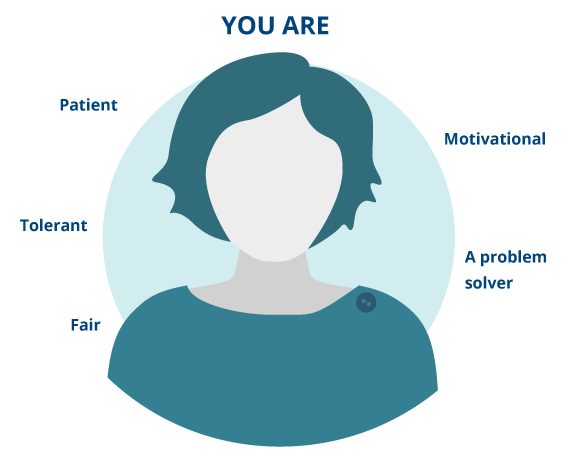
Learn which personality traits and professional skills you’ll need to be a successful school counselor.
You should have…
- Excellent communication skills
- Goal-setting skills
- High ethical standards
- Clear boundaries
- Good mediation skills
How to Become a School Counselor
Most states require a master’s degree and two years of practical experience for school counseling licensure. In some jurisdictions, a teaching certificate is also necessary. Once you’ve fulfilled the education requirements, you’ll be given a state-issued license (sometimes referred to as an endorsement or certification). Licensing and certification guidelines for school counselors vary by state. Make sure to check the guidelines in your state before you start your studies.
1
Get a Bachelor’s Degree
Earn an undergraduate degree in teacher ed or psychology. You’ll also need a master’s degree in school counseling or a related degree.
2
Earn a Master’s Degree
A master’s degree in counseling will teach you about academic and career development, counseling, and working with parents, teachers and school staff.
3
Supervised Work Experience
Most master’s degrees require you to get work experience in an internship or practicum. Ask about this before applying to programs.
4
Apply for Licensure in Your State
Public school counselors must have a state-issued license. This credential may be called a certification, a license or an endorsement, depending on state requirements.
In researching education programs, you’ll find an abundance of schools offering online and on-campus bachelor’s and master’s degrees in school counseling and psychology.
You can even earn a PhD in school counseling or school psychology online. If you want to take advantage of federal financial aid resources for your online courses, however, you should make sure to choose a school and program that are accredited.
Accreditation for school counseling programs can come from a few organizations. The Council for Accreditation of Counseling and Related Educational Programs (CACREP) and the Council for Accreditation of Educator Preparation (NCATE) give their seal of approval for master’s degree programs.
As a school counselor, you can work in a number of environments, including schools for grades K-12, secondary schools, and higher educational institutions, including state and private colleges and universities.
You will need to complete continuing education throughout your career, as your license renewal often hinges on the completion of a set number of units. Most states require school counselors to renew their license every 5 years by completing a certain number of CE hours. For example, Colorado requires 6 semester hours of college credit or 90 clock hours of professional development. Your state regulatory board can provide you with a list of approved courses.
Salary and Job Growth
Compared to other counselors, school counselors make a good living. But salaries do vary a lot based on location, years of experience and a variety of other factors. The median annual salary for school and career counselors is , according to the U.S. Bureau of Labor Statistics 2023 Occupational Employment Statistics.

$61,710
School & Career Counselors

$58,510
Marriage & Family Therapists

$44,040
Rehabilitation Counselor

$53,710
Mental Health Counselors
Related Occupations
Here are some other fields you might like if school counseling isn’t exactly what you’re looking for: