What Is Mental Health Counseling?

Skills You Need
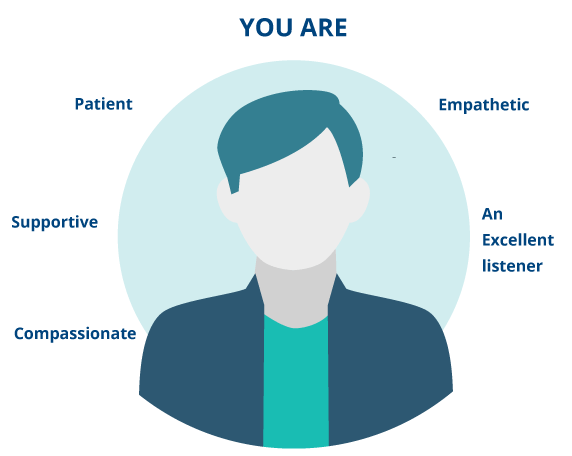
Compassion for others and a desire to help are two of the most important qualities of mental health counselors. You’ll need to have personal balance and a thick skin as well. Learn which personal and professional therapist traits you’ll need to succeed in this career.
- Clear communication skills
- Goal-setting skills
- Clear boundaries
- High ethical standards
- Motivational skills
How to Become a Mental Health Counselor
Aspiring mental health counselors must earn a master’s degree and complete 2,000 to 4,000 hours of supervised clinical experience in order to become licensed. Most states will also require that you pass an exam. To find out the exact steps to take in your state, check with the National Board for Certified Counselors or your state board of psychology.
Step 1: Get a Bachelor’s Degree in Psychology
Earning an undergraduate degree is the first step toward becoming a mental health counselor. This will give you a general undergraduate education, and you can major in psychology or another related field.
Step 2: Get an Advanced Degree in a Specialty
Next, a master’s or doctoral degree in mental health counseling is required, depending on the state you live in. Most states also require you to finish either a practicum or an internship as part of your studies.
Step 3: Get Clinical Counseling Experience
Many states will also require a minimum of 36 months of full-time counseling or 3,000 hours of postgraduate mental health counseling under the supervision of an approved licensed mental health professional.
Step 4: Take the Counselor Exam
States generally require you to pass an exam. Normally, either of the following exams is accepted: the National Counselor Exam or the National Clinical Mental Health Counselor Exam.
Step 5: Apply for Licensure in Your State
In order to practice as a mental health counselor, you must be licensed by your state. State licensure conditions can vary so check your state regulatory board for specific requirements.
Paying for School & Continuing Education
There are an abundance of schools offering online bachelor’s and master’s degrees in counseling and psychology. If you want to take advantage of federal financial aid resources for your online courses, you should make sure to choose a school and program that are accredited.
Government aid is the most common financial aid, however, before you can be considered you’ll need to fill out the Free Application for Federal Student Aid (FAFSA) and the school you plan to attend must be accredited. Other options include scholarships, grants, private loans, and PLUS loans.
After starting your practice, mental health counselors are usually required to complete continuing education requirements every one to two years. The number of credits varies by state. As an example, Washington requires mental health counselors to complete 36 hours of CE every two years. Be sure to check with your state on approved courses because not all topics or lessons will be accepted.
Salary and Job Growth
Mental health counselors can make a good living. But salaries vary greatly depending on location, years of experience and a variety of other factors. As of 2023, the U.S. Bureau of Labor Statistics, says mental health counselors make a median annual salary of $53,710.

$61,710
School & Career Counselors

$58,510
Marriage & Family Therapists

$53,710
Substance Abuse Counselors

$53,710
Mental Health Counselors
Job Growth
18.4%
Employment of mental health counselors is expected to grow 18.4% through 2032. This is much higher than the growth predicted for all professions combined. National long-term projections of employment growth may not reflect local and/or short-term economic or job conditions and do not guarantee actual job growth.
Related Occupations
Here are some other fields you might like if mental health counseling isn’t exactly what you’re looking for: