What Marriage & Family Therapists Do

Skills You Need
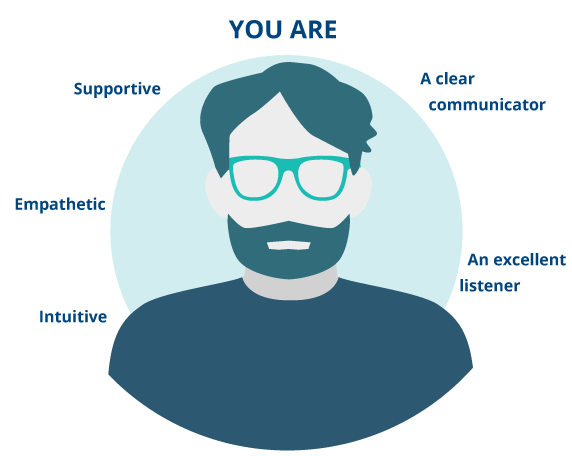
Learn which personality traits and professional therapy skills you’ll need to be a successful couples therapist or marriage counselor.
You should have…
- Strong interpersonal skills
- Clear boundaries
- High ethical standards
- Desire to collaborate
- Goal-setting skills
How to Become a Couples Therapist or Marriage Counselor
Marriage and family therapists are required to be licensed in order to practice in their state. Licensure requirements usually include a master’s degree and two years of supervised clinical experience. You’ll also need to pass a state-recognized exam. The Association of Marital & Family Therapy Regulatory Boards provides information on the requirements for each state.
Taking classes online can help you earn a degree while you manage other obligations in your life. There are many accredited online schools that offer master’s degree programs in marriage and family therapy. If you plan to start your education with a bachelor’s degree in psychology, you’ll also be able to find a wide range of schools offering online programs.
If you plan to enroll in a marriage and family therapy program, look for accreditation from the Commission on Accreditation for Marriage and Family Therapy Education (COAMFTE). This organization gives their seal of approval for master’s, doctorates, and postgraduate levels.
1
Get a Bachelor’s Degree
Earning an undergraduate degree in psychology is the first step toward becoming a therapist or counselor.
2
Get an Advanced Degree
Most states require a master’s degree in professional counseling or marriage and family therapy.
3
Get Clinical Experience
Most states require that you get two years of clinical experience before they will grant you a license.
4
Pass the Marriage and Family Therapy Exam
Many states also require you to take and pass the exam given by the Association of Marital and Family therapy Regulatory Boards (AMFTRB).
5
Apply for Licensure in Your State
In order to practice marriage and family therapy, you must be licensed by your state. Check your state regulatory board for specific requirements.
License renewal often hinges on continuing education. Many states require marriage and family therapists to complete a certain number of continuing education hours every few years. Since laws vary, check with the board of psychology in the state you practice in.
One thing to weigh is whether you want to open a private practice at some point. A number of factors influence whether a marriage and family therapist should work in private practice or for an institution. If you’re new to the field and lack a large patient base, you’ll have to work hard at marketing yourself and getting referrals—a process that will happen throughout your career. Working at an institution allows you to gain valuable knowledge from colleagues and likely receive employer-paid benefits. However, you may not have the schedule flexibility you’d have in private practice.
Salary and Job Growth
Marriage and family therapists can make a good living. But salaries vary greatly based on location, years of experience and a variety of other factors. According to the U.S. Bureau of Labor Statistics 2023 Occupational Employment Statistics, marriage and family therapists make a median salary of $58,510.

$61,710
School & Career Counselors

$58,510
Marriage & Family Therapists

$44,040
Rehab Counselors

$53,710
Mental Health Counselors
Related Occupations
Here are some other fields you might like if marriage and family counseling isn’t exactly what you’re looking for: